Proven abroad, adapted here
We source technology with real operating hours behind it, then re-engineer around Canadian cold, Canadian waste, and Canadian permitting.
About us
We are a Canadian waste-to-energy company with a single objective: accessible energy that solves a waste problem at the same time.
Who we are
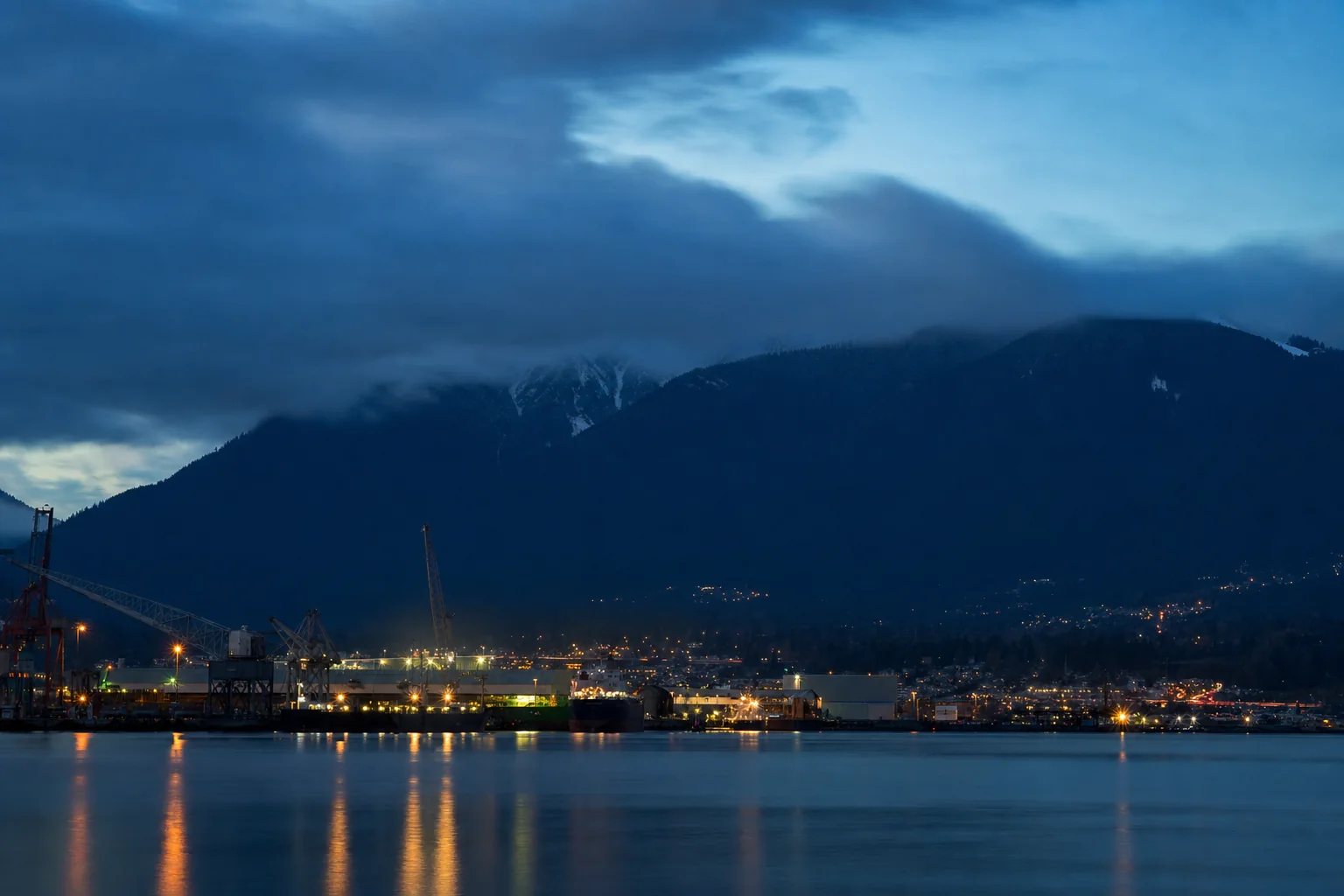
Arc Ventures is a Canadian waste-to-energy company based in North Vancouver, British Columbia. We develop, structure, and build waste-to-energy systems for communities across Canada — from the Northwest Territories to every corner of British Columbia, and outward from there.
Our main target is creating accessible energy while solving our waste issue throughout Canada. Those two problems are usually treated separately. Treated together, they fund each other.
We do not manufacture equipment. That is deliberate. It means we can select the right technology for a given waste stream and a given community instead of selling the one system we happen to own.
Our main goal is to create a positive product out of Canada’s growing garbage problem.
Where we look for answers
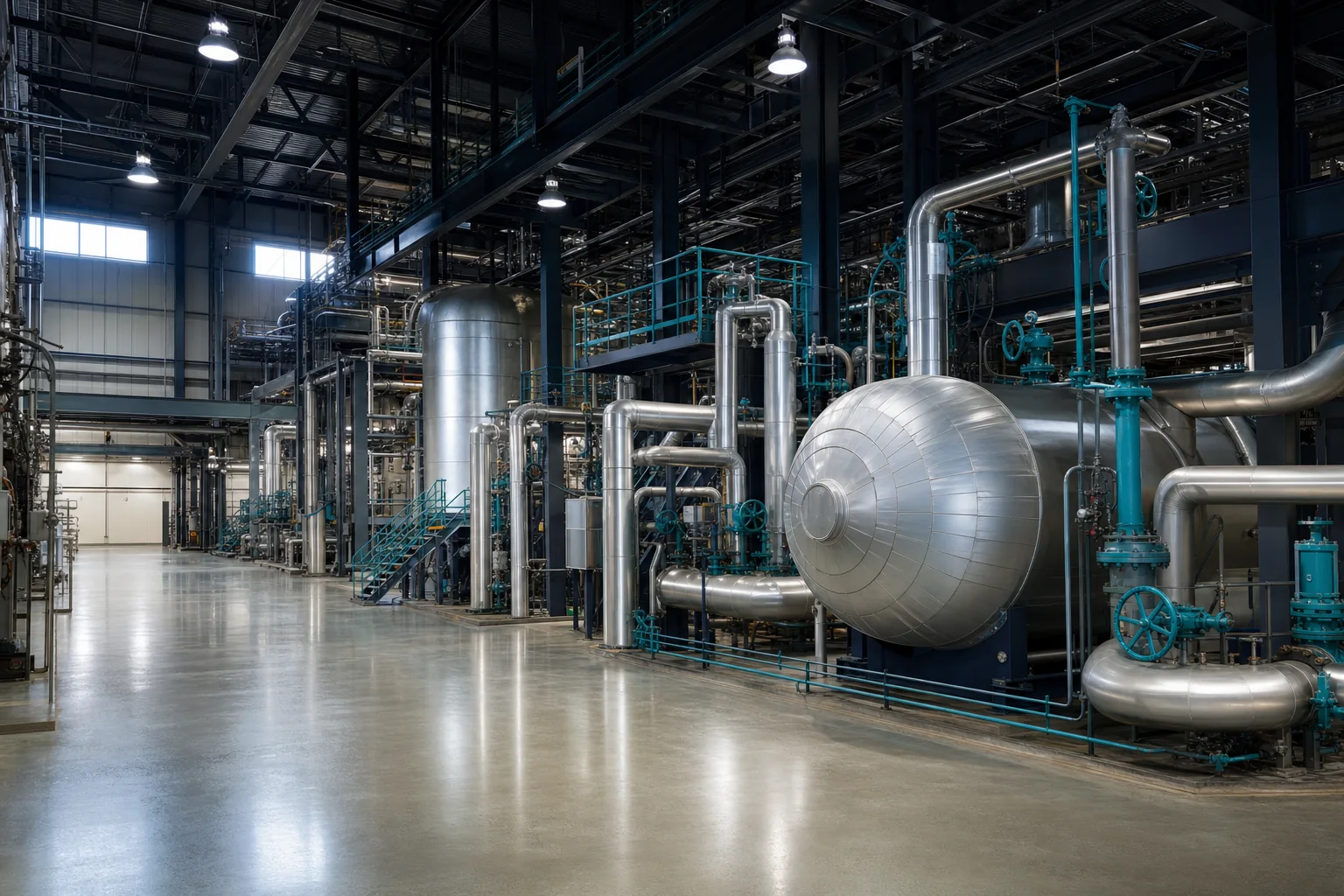
We take inspiration from other parts of the world where waste-to-energy is simply normal infrastructure. In much of Europe, thermal treatment sits at the centre of municipal waste management — often on urban sites, next to housing, with district heating networks running off the back of it. Across Asia, dense cities have driven a generation of compact, high-efficiency plant design.
Canada has largely skipped that step, because we had land. We are running out of the easy version of that answer.
So we go looking for the people who already got it right. We target innovative suppliers who have built lasting solutions in their own markets, and we bring those solutions into Canada — adapted for our climate, our waste composition, our regulatory framework, and our community scale.
We source technology with real operating hours behind it, then re-engineer around Canadian cold, Canadian waste, and Canadian permitting.
Air quality is the question every community asks first, and it should be. Systems are specified against Canadian and territorial standards, not the supplier’s home market.
Most of Canada does not need a metropolitan plant. Right-sizing is the difference between a project that runs and a stranded asset.
What we hold to
Our default model places majority ownership with the partnering nation. Governance, employment, training, and revenue share are negotiated at the outset — not appended to a finished deal.
A facility that exports every megawatt somewhere else has not helped the host community. We design around local heat and power offtake first.
Some communities do not generate enough waste, or already have a better option. Telling a partner that early is more valuable than a feasibility study that says yes.
Reduction, reuse, and recycling come first. Thermal treatment is for the residual stream that has nowhere else to go — which in most Canadian communities is still the majority of it.
Reach
Send us the basics — population, waste tonnage if you have it, and what you are heating today. We will tell you honestly whether there is a project here.